The Way Righteous Stacks Up Against Rival Streetwear Brands
Streetwear shoppers in 2026 have more choice than ever, and this glut of options makes comparison essentially mandatory before spending. Question five random buyers what constitutes “good streetwear” and you will get five different answers involving cut, material heft, release cadence, or brand narrative. This article maps out where the Righteous label fits into this debate, using hard particulars rather than empty flattery. We will look at what the Righteous label really brings to the table, how it positions itself against rival names in streetwear, and what recurring themes show up in a typical Righteous review. No invented numbers, no filled-in blanks — just a straightforward take on how Righteous compares when you are deciding where to invest your cash.
What We Are Righteous Actually Stands For
The brand shaped its identity around one straightforward idea: clothing should carry meaning without being loud about it. The Righteous apparel line draws from minimal graphics, deliberate type choices, and a voice that reads as purposeful rather than trend-driven. The reason this counts is that a huge share of streetwear brands operate on a copy-paste model — take a popular silhouette, slap a logo on it, ship it fast. Righteous clothing opts for a more measured process, which shows up in the way pieces are described and marketed rather than pushed out in rapid, frequent drops.
Even the name the brand chose sends a message. “We Are Righteous” as a brand identity is anything but quiet, and this is intentional. Language has long served as a badge within streetwear, and the brand carries that legacy forward by treating its name as a proclamation, not a mere label. People looking up “we are righteous brand” online will usually encounter a selection focused on tees with graphics, hoodies, and outerwear that come across as thoughtful instead of forgettable.
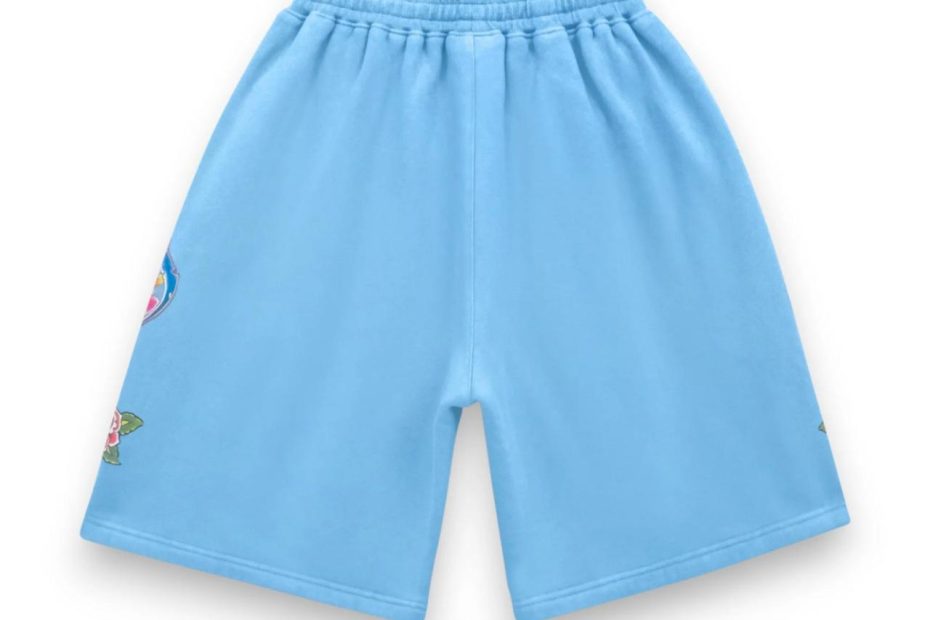
Compare that to brands built purely on hype cycles — those leaning on limited releases and inflated resale prices to stir attention. Righteous seems less committed to that same strategy, which changes how customers relate to the brand. You are buying because you https://righteo.eu.com/shorts-sweatpants/ like the piece, not because you are trying to flip it. That one distinguishing factor separates a chunk of the streetwear market into two camps, and Righteous aligns more with the camp that prioritizes wearability.
Righteous’s Hoodie as a Case Study
Hoodies are the single most reliable product for judging any streetwear brand on, because they lay bare everything about construction priorities. A brand can glam up a t-shirt with smart graphics, but a hoodie exposes weak seams, underweight fleece fabric, and a careless cut within the very first laundering. Since hoodies remain the cornerstone item for the majority of streetwear collections, including Righteous, Righteous’s hoodie range is cited regularly in a Righteous review context.
What buyers commonly point out in reviews is consistent sizing and print positioning — two areas where budget streetwear brands often cut corners. Few things hurt a brand’s reputation more quickly than uneven shrinkage or prints that crack after just a few washes. Righteous’s approach to its hoodie drops suggests close attention to these details, framing the product as a long-term closet essential instead of a one-season impulse buy.
Worth mentioning is the fact that hoodie pricing across streetwear swings dramatically — some brands occupy the lower-cost segment, others push into premium territory above $150 each. Since no fixed price point is published here, positioning becomes the fair basis for comparison: Righteous markets itself as approachable streetwear built with deliberate design, not as a luxury-adjacent label hunting for four-figure resale prices. This positioning means it contends with a specific market tier rather than everything at once.
How Righteous Compares to Other Streetwear Brands
The following table lays out the criteria streetwear shoppers care about most: design ethos, core product focus, release cadence, and community tone. These are the factors that actually predict whether you will be happy with a purchase six months later, not just on unboxing day.
| Category | Righteous Is What We Are | Hype-Driven Streetwear Brands | Fast-Fashion Streetwear Brands |
|---|---|---|---|
| Design Philosophy | Purpose-led design with a steady brand voice | Reactive to trends, logo-forward | Replication of viral trends |
| Main Product Focus | Hoodies, printed tees, and outerwear pieces | Limited-run collabs and exclusives | Broad catalog, low differentiation |
| Drop Frequency | Considered, less rushed | Frequent scarcity drops | Constant, high-volume restocks |
| Resale Emphasis | Little emphasis placed on resale | Central to brand strategy | Rarely applicable |
| Community Character | Rooted in values and identity | Built around status and access | Price-based, low loyalty |
This table makes one thing clear: Righteous isn’t competing to win the same contest as hype-driven labels chasing resale markups, nor is it going up against rivals on the lowest possible pricing against mass-market streetwear brands. It sits in a middle lane — brand identity matters, but so does creating pieces people genuinely keep wearing. That middle lane is underserved in a market that frequently pushes shoppers into choosing between “inflated hype pricing” and “cheap and forgettable.”
What You’ll Typically Find in a Righteous Review
Reviews, in general, are the proving ground where advertising statements face actual use, with recurring themes surfacing again and again throughout Righteous’s customer feedback. To begin with, shoppers often remark on the brand’s tone of voice — the tone reads as unlike most streetwear brands, favoring a principle-led identity over surface-level style. Also common are comments about sizing and fit, an unsurprising pattern for any hoodie-and-outerwear brand, since fit naturally varies depending on individual body shape.
Third, and this is where a review of We Are Righteous generally becomes more precise, reviewers address whether the graphics and printing quality remain intact after repeated wear. Streetwear customers are particularly sensitive to this detail because they have felt betrayed before by brands whose prints crack or dull within roughly a dozen laundering cycles. What keeps surfacing in most reviews is that Righteous positions durability and print quality as a priority, which is consistent with the label’s more deliberate, unhurried release strategy mentioned earlier.
Fourth, shipping and customer service experiences shape review sentiment as much as the product itself — this holds true industry-wide, not just for Righteous. A shopper who loves a hoodie but has a rough delivery experience will often leave a mixed review, which is why judging any streetwear brand purely on product photos is incomplete. Reading a range of reviews rather than a single glowing or scathing one gives a far more accurate picture of what to expect.
Placing Righteous Clothing Inside 2026’s Urban Style World
The streetwear industry in 2026 is more fragmented than it was five years ago. On a weekly cadence, micro-labels launch via social channels, while established labels battle for shelf space in multi-brand boutiques; meanwhile, resale marketplaces have made scarcity a marketing tool rather than a natural byproduct of limited production. Amid this environment, Righteous clothing brand’s more measured stance stands out simply by not playing every available card in the hype playbook.
Here’s what counts practically for buyers. If you are someone who wants a hoodie you will wear for two winters rather than one season, a label that isn’t chasing pure launch-day hype is the wiser pick. If resale margins or collector status are what drive you, Righteous probably isn’t gearing its identity toward that audience — and it’s a fair compromise to grasp ahead of the purchase instead of after the fact.
The thing you’re actually after is, at bottom, what the comparison comes down to. The streetwear space has fractured into separate sub-markets: hype-obsessed status culture, budget-driven fast fashion, and identity-driven labels that sit in between. Anyone searching “righteous” or “we are righteous brand” online will come across a coherent story rather than a catalog that scatters itself chasing every passing trend, because We Are Righteous occupies that in-between position with a clear enough voice.
For anyone weighing Righteous apparel against competitors, the smartest approach is treating this comparison as a starting point, not a final verdict. Read current reviews, check fit notes on the product pages you’re actually considering, and weigh that information against what matters most to you — whether that’s construction quality, brand values, or simply finding a hoodie that will still look good next winter.